




We know that there are vast amounts of information online about female hair loss. Unfortunately, a lot of it is from people trying to sell you a lotion or potion and it’s very hard to cut through the noise to the real clinical-quality information you are looking for. Which is the last thing you need when dealing with something as distressing as losing your hair.
So our doctors got together to create the Ultimate Guide to Female Hair Loss – what it is, why it happens, how we diagnose it and what treatments are giving the best results right now. We really hope this helps guide you to your next step.
Everything we know about female hair loss
Hair loss in women is far more common than many realise. Up to 40% of women experience noticeable thinning by mid-life, and nearly all will see changes in density or hair calibre over time. Although it can be deeply distressing, most causes are diagnosable and many are treatable or at least manageable with the right plan.
At the outset, we need to be honest about something – very few causes of female hair loss are treated with something non-medicated that goes on your hair, such as a serum or oil. Although these kinds of things can help with the condition of your hair and scalp, hair is affected mostly by what is happening inside us and it is there we are going to find our answers.
The main diagnostic categories
There are more causes of hair loss than what we’ve listed here, including alopecia that needs more specialist care, but these three are the most common causes that we see in the clinic:
1) Female pattern hair loss (FPHL)
Also called androgenetic alopecia, FPHL causes gradual, diffuse thinning over the mid-scalp with relative preservation of the frontal hairline in many women. Hair shafts miniaturise over time, so the ponytail feels slimmer even if shedding isn’t dramatic. FPHL runs in families but can happen without a family history. So if you have bald men in your family? Yes – it can affect you too.
2) Telogen effluvium (TE)
TE is increased daily shedding (clumps in the shower/drain or on the brush), often starting 6–12 weeks after a trigger such as childbirth, high fever/illness, surgery, crash dieting, medication change, major stress, or iron deficiency. The scalp looks normal; the part may look a bit wider because overall volume drops. TE usually settles within months once the trigger is addressed, though chronic TE can linger. Postpartum TE is extremely common and usually self-limited.
3) Traction alopecia and tight-hairstyle damage
Chronic tension from tight ponytails, braids, extensions or chemical/heat damage can cause breakage and, over time, scarring along hairlines. Early change is reversible if the styling practices change; longstanding cases may scar.
What to expect at a medical assessment
So what should a doctor do when they first see you?
A good work-up starts with pattern recognition and a timeline (gradual thinning vs sudden shedding), review of medications, hormonal history, and targeted blood testing. Our dermatologist will look at your hair follicles with a dermoscope, checking for the number of follicles, the thickness of each strand of hair, the condition of your scalp and so on.
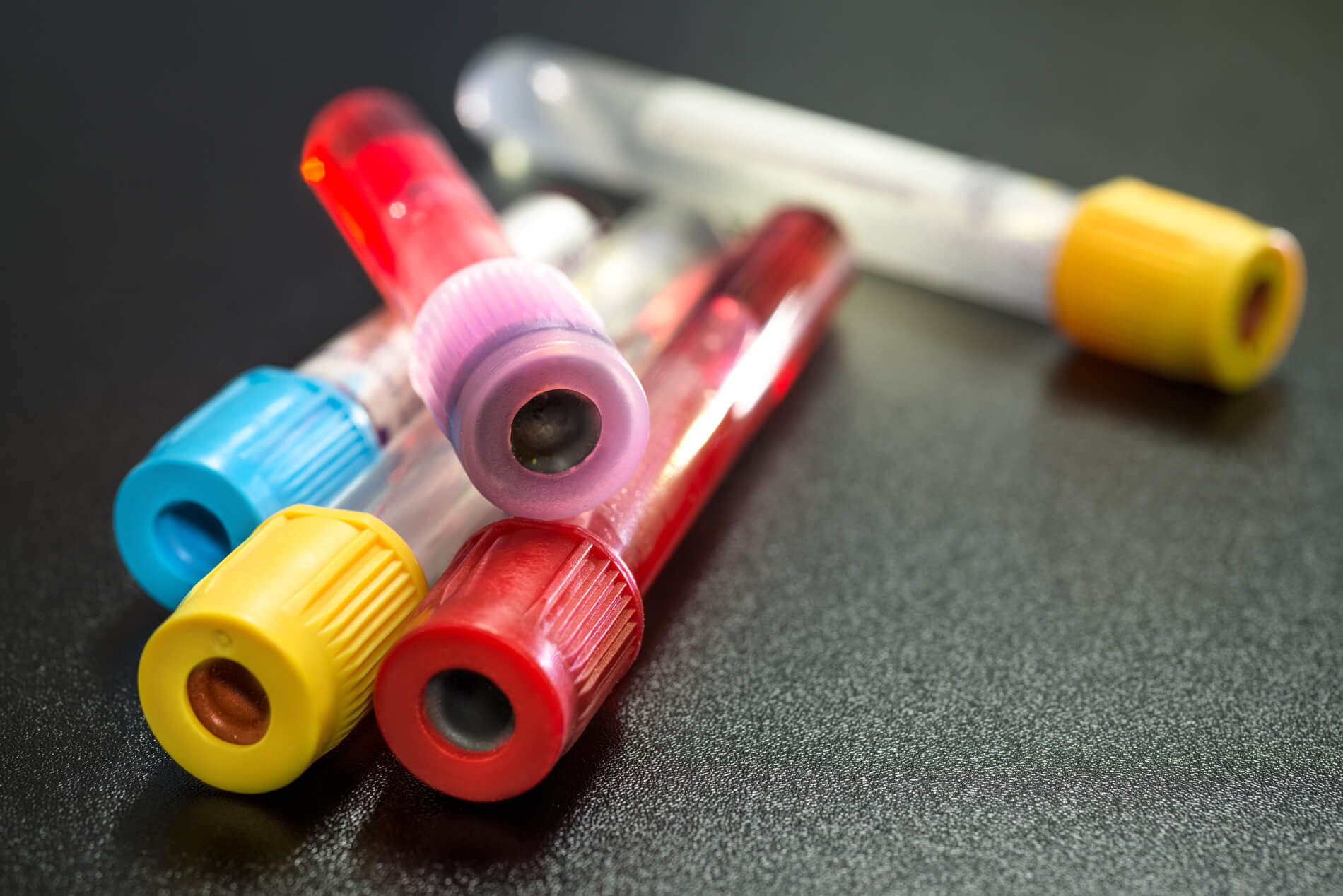
Common tests include ferritin and full blood count (iron status), thyroid function, androgens (especially with irregular periods, acne or hirsutism suggesting PCOS), vitamin D, vitamin B12 and folate, magnesium, zinc and inflammatory markers.
Together, the physical examination and blood tests, plus your clinical and personal history, will help reveal the cause of your hair loss – we can then embark on a tailored and clear programme of recovering your hair and protecting you from further loss.
Evidence-based treatments
Luckily, there are some excellent treatments available that act on different aspects of hair loss. They may block androgens – because yes, male pattern baldness can affect women genetically too! But also if you have PCOS, changes in your hormonal landscape over time, this does need to be supported with medication if it’s causing hair loss or thinning. There are also medications that help boost hair growth and stimulate growth, supplements that boost your nutritional health and together, a treatment plan should start showing real results in 3 – 6 months and especially into your first year of treatment.
Sudden hair loss / TE
TE, as described above, is the most common diagnosis with sudden hair loss / loss of hair clumps. With this, we need to correct the triggers including checking for iron deficiency, thyroid disease, any under-eating or poor nutrition, any medications that might be contributing to hair loss and support you post-partum. Recovery is naturally slow because hair grows at around 1 cm/month; but reassurance and a plan are crucial. Your hair will improve with the right measures and consistency. But patience is needed here!
Helpful procedures
There are several procedures which can help and have shown impact in research. Platelet-rich plasma (PRP) especially has promising data in some studies; outcomes depend on protocol and practitioner expertise. Procedures are add-ons to core medical therapy rather than stand-alone cures, but can help stimulate growth.
Nutrition & supplements
There is no universal “hair vitamin.” But we do need to test for and then treat any deficiencies such as iron, vitamin D, zinc and vitamin B12, and we need to ensure you are eating enough protein!
What really helps day-to-day
- Consistency: Whatever you choose—topical, oral, or device—commit for at least 6 months before judging. This is not a quick fix and you have to manage your anxiety and stress while treatment is taking place. You’ve taken the right steps and now have to give treatment a chance!
- Scalp health: Treat seborrhoeic dermatitis (dandruff) or psoriasis if present; inflammation worsens shedding and tolerance of topicals. It’s important any scalp issues are addressed.
- Gentle handling: Limit tight styles, chemical straightening, and high-heat tools; protect hair with heat-protectants and avoid hard brushing when wet.
- Cosmetic strategies: Fibre powders, tinted scalp sprays, strategic parting, and volumising cuts can make a big visual difference while medical therapies do their slower work. This will help prevent anxiety and stress every time you look at your hair. Experiment with beautiful hair scarves and try new styles to avoid feeling stressed about your hair – this can add to the issue.
- Mental health support: Hair loss impacts self-image. Peer support and, where needed, psychological support matter. Don’t feel strange about needing support – this is an identity issue, a self-love issue. It’s not easy to go through and we understand that.
Myths, debunked
- “Hair oils regrow hair.” Oils can condition, reduce breakage, or soothe a dry scalp, but they don’t reverse miniaturisation. Don’t spend your money on lotions and potions you see online – they don’t usually work.
- “Washing less prevents loss.” The hairs you see in the drain were already releasing; less washing just bunches shedding into fewer, more dramatic events.
- “Only men get genetic baldness.” Women experience a different pattern, but miniaturisation is very common with age.
When to seek specialist care
- Rapid shedding for more than 3 months
- Early hairline recession or loss of eyebrows/eyelashes
- Redness, scale, burning, or pain of the scalp
- Patchy loss or any signs of scarring
- Hair loss with irregular periods, acne, or new facial hair
- Hair loss after starting a new medication.
Dermatologists (and specialised GP clinics like ours) can confirm the diagnosis, request appropriate testing, and tailor treatment—often combining treatments and procedures for best results.
Most women can stabilise hair loss and improve density with timely diagnosis and consistent therapy. FPHL needs ongoing maintenance (like blood pressure treatment—you keep it up to keep the gains). TE almost always improves once triggers are corrected, though patience is required.
Female hair loss has multiple causes but the right doctors, with the right knowledge, can skip all the uncertainty and give you the answers you need. There are treatments available and with consistency and patience, you will achieve results.
Book with Dr Eldimarys Curry-Machado online (dermatology appointment) or call our friendly team.