




Menopause Symptoms or Something Else?
Hot flushes, poor sleep, mood changes, fatigue and irregular periods are all commonly associated with perimenopause and menopause. But one challenge I regularly see in practice is that many of these symptoms can also be caused, or made worse, by other health conditions.
It is very easy to reach your 40s or 50s and assume that every new symptom is “just menopause”. Sometimes it is. Sometimes more than one factor is involved.
That is why women should feel comfortable discussing health changes with a doctor rather than simply learning to live with them.
Is It Menopause or Could Something Else Be Causing Your Symptoms?
Perimenopause is the period leading up to menopause, when hormone levels begin to fluctuate. Symptoms can start months or years before periods stop completely and can vary considerably between women. Changes to your menstrual cycle, hot flushes, night sweats, difficulty sleeping, fatigue, mood changes, brain fog, headaches, palpitations, joint aches, changes in libido and vaginal dryness can all occur during this time.
However, many of these symptoms are not exclusive to menopause.
For example, an underactive or overactive thyroid can cause fatigue, weight changes, mood changes, menstrual irregularities and palpitations. If there is reason to suspect a thyroid problem, a thyroid function blood test may be appropriate.
Iron deficiency or anaemia can also cause tiredness, weakness, headaches, breathlessness and palpitations. This can be particularly relevant for women experiencing heavier periods during perimenopause.
Low vitamin D, vitamin B12 or folate may contribute to fatigue and other symptoms, while changes in blood glucose and metabolic health can affect energy, weight and concentration.
Stress, anxiety and disrupted sleep can complicate the picture further. Hormonal changes may affect sleep and mood, while the pressures that often accompany midlife can make those symptoms more noticeable.
“Women know when something has changed in their body. Menopause may be part of the explanation, but it shouldn’t become a reason to dismiss symptoms that deserve proper assessment.”
Dr Enam Abood, Founding Director & Head Doctor
Rather than asking only “Is this menopause?”, it can be more useful to ask, “What is contributing to the way I feel?”
Do You Need Blood Tests for Menopause Symptoms?
Not every woman experiencing menopause symptoms needs hormone testing.
For otherwise healthy women aged 45 and over with typical symptoms, NICE recommends that perimenopause and menopause are generally identified from symptoms and menstrual history rather than routine hormone blood tests. Hormone levels can fluctuate significantly during perimenopause, which means an isolated result may not provide the clear answer you expect. Blood tests can, however, be valuable for investigating other potential causes of your symptoms.
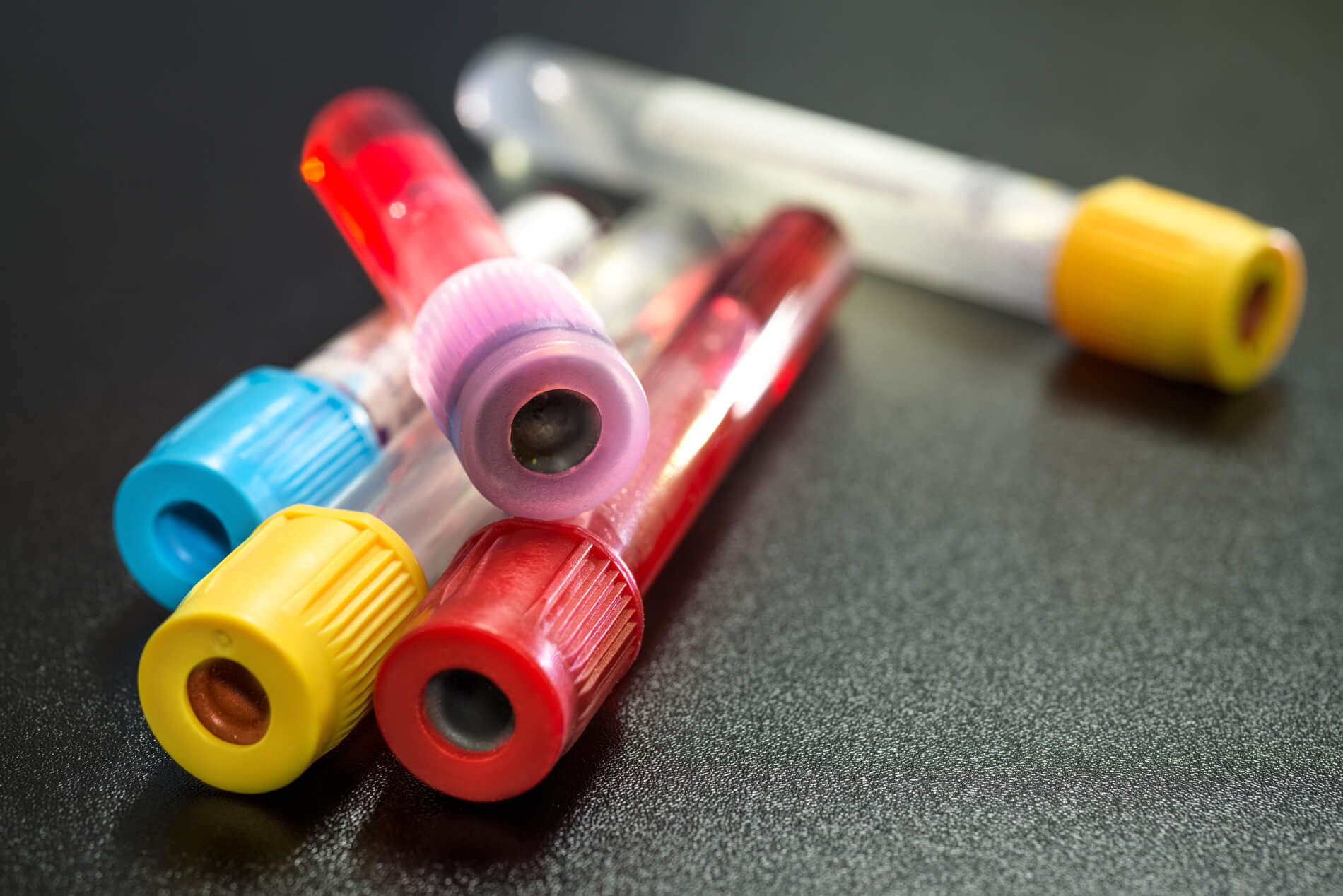
Depending on your symptoms and medical history, your doctor may recommend checking thyroid function, iron levels, full blood count, vitamin levels, blood glucose or other relevant markers.
At Harley Street Health Centre, we offer a comprehensive range of private blood tests, with testing selected according to your individual symptoms and clinical needs.
The objective should not be to test everything. It should be to choose the right investigations for the right reasons.
When Should You See a GP?
You do not need to wait until menopause symptoms become severe before speaking to a doctor.
If you have noticed persistent changes in your periods, energy, sleep, mood, concentration or general wellbeing, a GP consultation can help establish what is happening and whether further investigation is necessary.
A private GP appointment allows us to consider your symptoms alongside your menstrual history, medications, lifestyle, family history and wider health.
Midlife can also be a good time to review areas such as blood pressure, cholesterol, blood glucose, cardiovascular risk, and general preventative health.
For women looking for a broader assessment, our Well Woman health screenings provide a more comprehensive review, while our wider health screening services can help identify health risks that may not yet cause noticeable symptoms.
Looking Beyond the Menopause Label
After many years of working with women, I believe it is important not to dismiss new symptoms simply because they occur around the time of menopause.
Your symptoms may be related to hormonal changes. They may have another cause. Or several factors may be contributing at the same time.
A proper medical assessment is about listening to what has changed, looking at your overall health and investigating appropriately, not simply attributing everything to menopause.
If you are experiencing possible menopause symptoms and would like to understand what may be behind them, you can book a private GP appointment at Harley Street Health Centre in London.